Greater Animals
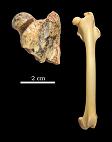 Rabbits greater ancestor! Devolutionary link found.
Giant Otters Discovered in China
The 18 inch cockroach
Ancient trees more than twice the height of the tallest giant redwoods?
Tree Trunk 40 Feet Thick is Only One of the Big Bend Wonders:
 Giant Horsetail fossils – Devolution in Effect
Giant Tree from Thailand
Four foot TALL giant fossil Albatross
90 foot Plum Trees:
History’s biggest lungfish pops up in Nebraska
45 centimeter Mayflies in the fossil record
 ‘Giant penguins’ The Largest Penguin Ever?
One of 3 Giant Ant Species
The largest snake is not today’s Anaconda.
The fossa declares devolution not evolution!
OH NO ITS FUNGZILLLLLLA!
 One of 3 Giant Ant Species
Hey Rocky watch me pull a greater rabbit out of this hat.
Fiction? Hardly. Ancient history? Absolutely.
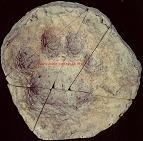 Giant cat track
Wombat The Size Of A Rhinoceros, Diprotodon, Found In Australia
An ancient huge hound found
Horse Blinders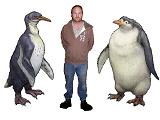 Penguins have been used in the military, but not these.
Largest Bear Fossil found yet!!!!
The Rare & Giant Trinil Tiger
The Giant Cheetah, a faster Cheetah.
 Giant Jaquars . . . .Gooooo Jags!
Giant Zebra defies horse evolution chart! Equus Capensis
a 3-foot-long ancestor of the modern piranha.
“GIANT BIRDS” roamed – or flew above – the Earth at the same time as the dinosaurs.
The Greater Ancestor to ferns
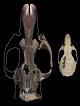 Rats!
Rats!
Fossil Caviar or Giant Bacteria?
Giant Amoeba Tracks
The original Blob
The Greater “living fossil”
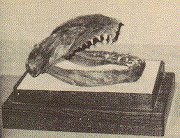 The giant snake of Mt Tsurugi
Austrailian Megafauna (partial list)
This should get your goose
“One of the Largest bats ever discovered!”
Greater Ancestor to Scarab Beetles
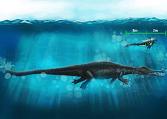
Giant Fossil Algae 140x larger
 Amazing Giant Cone Shell Fossil
Modern Coyotes much smaller than their Ice Age Ancestors
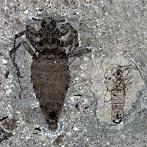 Giant Fleas from the Mesozoic layer
The Greater Ibex, Superior organism proves the term “modern” to be more primitive.
Giant Cranes: (Archaeology verifyng Paleontology)
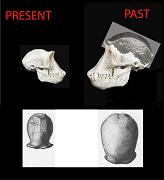
The GREATEST DEVOLUTION EVIDENCE! . . . . . . Java Man
TIKTAALIK an iconic Greater Ancestor
Scientists have found evidence of a giant sand worm
The Incredible Shrinking Grouper!!!
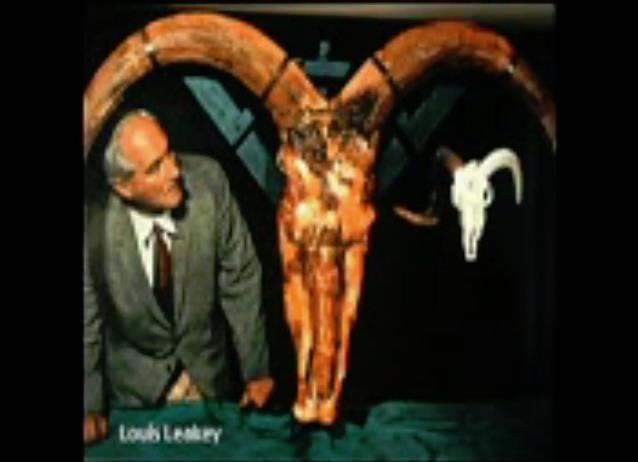
The fossil “Godzillus” has government academia stumped!
The world’s biggest ever tapir!
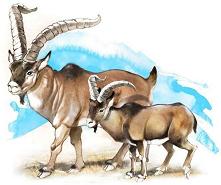
The Greater Ibex, proves the term “modern” to be more primitive.
Shrinking frogs, indicate evolutionists becoming enlightened by devolution.
Elephants are devolving to lose their tusks

Proof of shrinkage 1/6th Red Deer
Songbirds- Singing a shorter tune
The greater Killer Whale, Livyaton
Giant Crab Claw
 The Scorpion’s Claw
Giant Scorpions Tracks Scotand

Endoceros shell 13 1/2 feet
Fossil remains of a Giant Iguana

The killing of 90 Giant Baboons
A Giant Horse from El Salvador
The legendary Giant Hoof Print
Mongolian Death Worm, not so formidable
Fossil of Giant Shrew found in Spain
Giant multicellular is Precambrian
Giant Worm, Big fish needs Big bait
When it comes to the Walrus size matters
Who’s Afraid of the Big Dire Wolf?


—————————————————————————————————————————————————————–
many giant sea creatures have been discovered during recent exploratory trips to Antarctica. Amazing sea life including 12′ jellyfish, as well as snails and starfish the size of cake platters! It’s my belief that the untouched and remote regions of the world where men have not hunted the remnants of greater ancestors still struggling to exist in a decaying world, will continue to reveal and support the validity of the Devolution as a replacement for the arrogantly flawed, corrupt science of evolution.
There is no place in the world more remote, yet again we find greater ancestors! The following links on the above page lend more solid information on the greater ancestors of Antarctica and deep southern South America!
sure, that is what it is there for.
Thanks for coming to the website, and getting Greater Ancestors out there.